In today’s data-driven...
View Details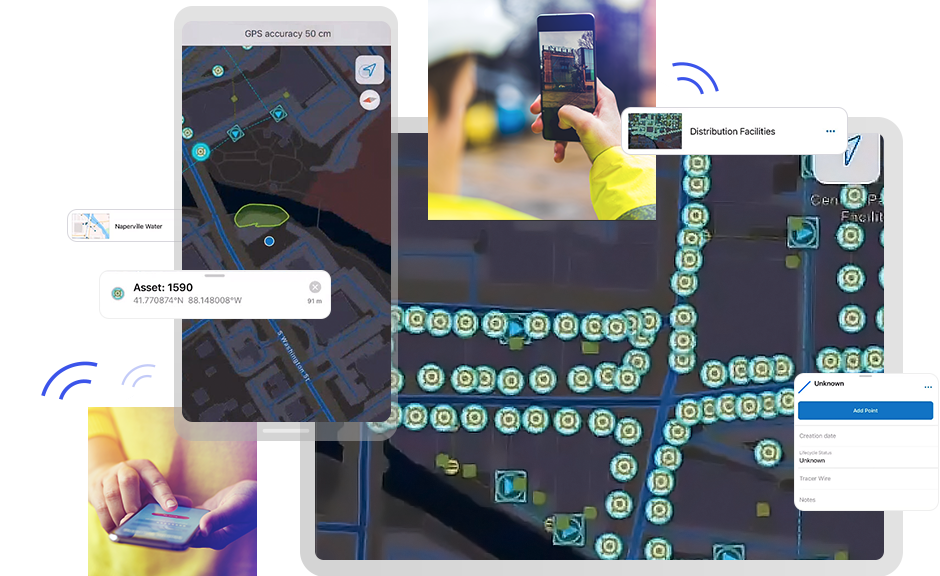
- 20
- Mar

We design institutional digital systems for ministries, regulators, NGOs, and development programs, combining governance context, operational process design, and implementation-ready technology architecture.
Management information systems for transport authorities, road agencies, energy ministries, and utility operators in Africa.
HMIS, DHIS2, education MIS, and data platforms for national health and education programs funded by multilateral agencies.
Digital governance systems, ICT roadmaps, AI analytics, and compliance platforms for governments and development programs.
Triyog Innovations works at the point where institutional mandates, operational workflows, and digital system design need to come together. Our model is built for public institutions and development programs that need systems people can govern, adopt, and sustain over time.
We align system design with ministry mandates, reporting obligations, and program accountability requirements before implementation begins.
We map approvals, supervision, field operations, and reporting flows so the system reflects how institutions actually work.
We build structured digital platforms that can be deployed, handed over, and operated reliably in real institutional environments.
Our capability areas are organized by sector and operating need. Each one pairs technical delivery with a practical institutional outcome.
Transport management MIS, GIS-based route planning, road safety platforms, and M&E dashboards for transport programs.Outcome: transport agencies gain clearer operational visibility and faster program reporting.
Energy sector MIS, smart metering, rural electrification monitoring, and regulatory compliance systems for energy ministries.Outcome: energy teams can track infrastructure rollout, service coverage, and compliance in one place.
HMIS, DHIS2, disease surveillance platforms, and M&E reporting for health ministries and donor-funded health programs.Outcome: programme managers get timely data for supervision, intervention planning, and donor reporting.
Education management information systems, student tracking, and e-learning platforms for ministries and NGO education programs.Outcome: education teams can monitor delivery quality, learner coverage, and institutional performance more consistently.
Digitisation of regulatory workflows, approvals, inspections, and compliance reporting for public institutions.Outcome: departments reduce manual follow-up and maintain auditable administrative records.
Results frameworks, indicator pipelines, and evidence dashboards for World Bank, AfDB, USAID, and FCDO-funded programs.Outcome: program teams can consolidate evidence and prepare funder reports in hours rather than weeks.
Selected case-led work showing the institutional problem, the system delivered, and the operational value created for public and development programs.
Institutional delivery experience across national programs, multi-country portfolios, and donor-funded implementation environments.
Project delivery across Sub-Saharan Africa (Kenya, Nigeria, Ghana, Liberia, Tanzania), South Asia (Nepal, Bangladesh), and the Pacific — with experience in low-bandwidth and capacity-constrained environments.
Ministries of transport, energy, health, and education; road agencies, utility regulators, and national statistical offices across Africa and developing nations.
Implementation support for programs funded by World Bank, AfDB, USAID, FCDO, WHO, UNICEF, and Global Fund — operating as prime contractor or technical partner.
Briefings, implementation notes, and sector updates for institutional decision-makers.
In today’s data-driven...
View Details
Today marks a...
View Details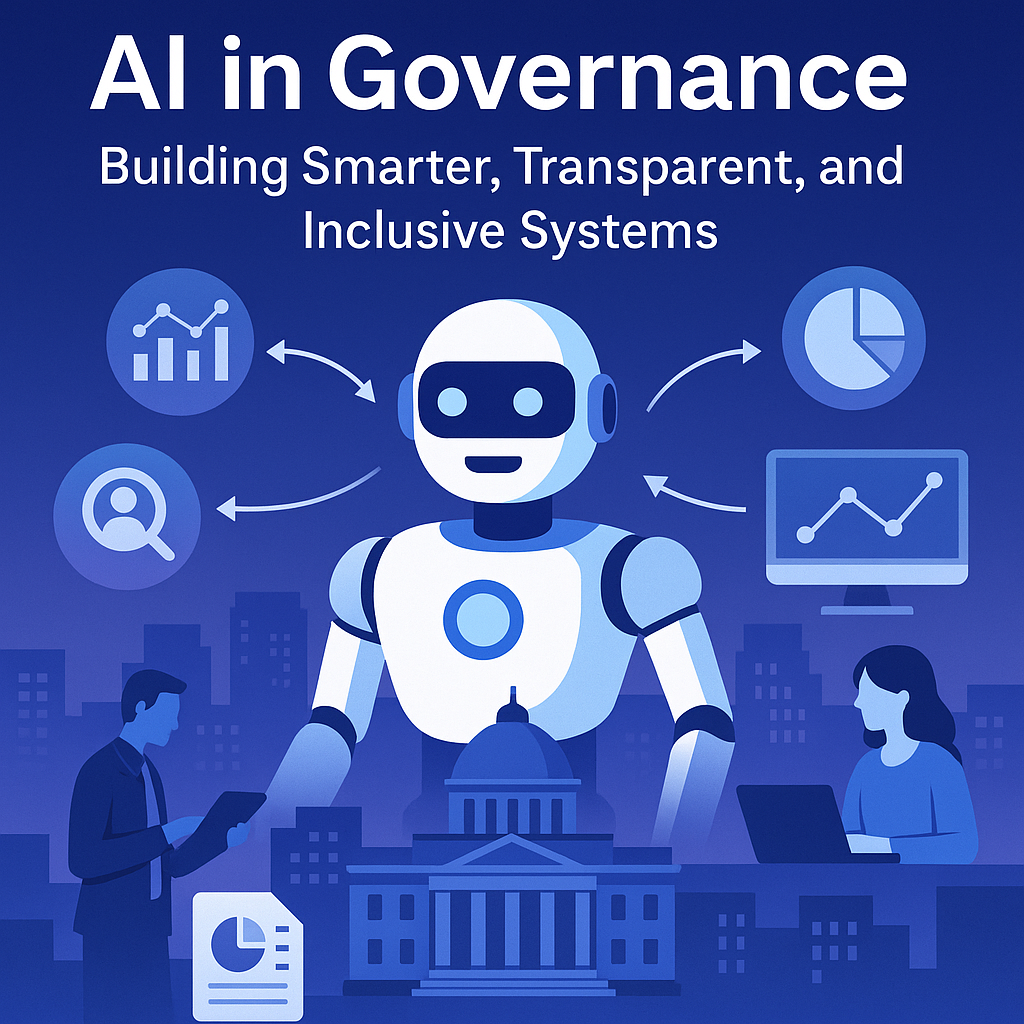
Artificial Intelligence (AI)...
View Details